
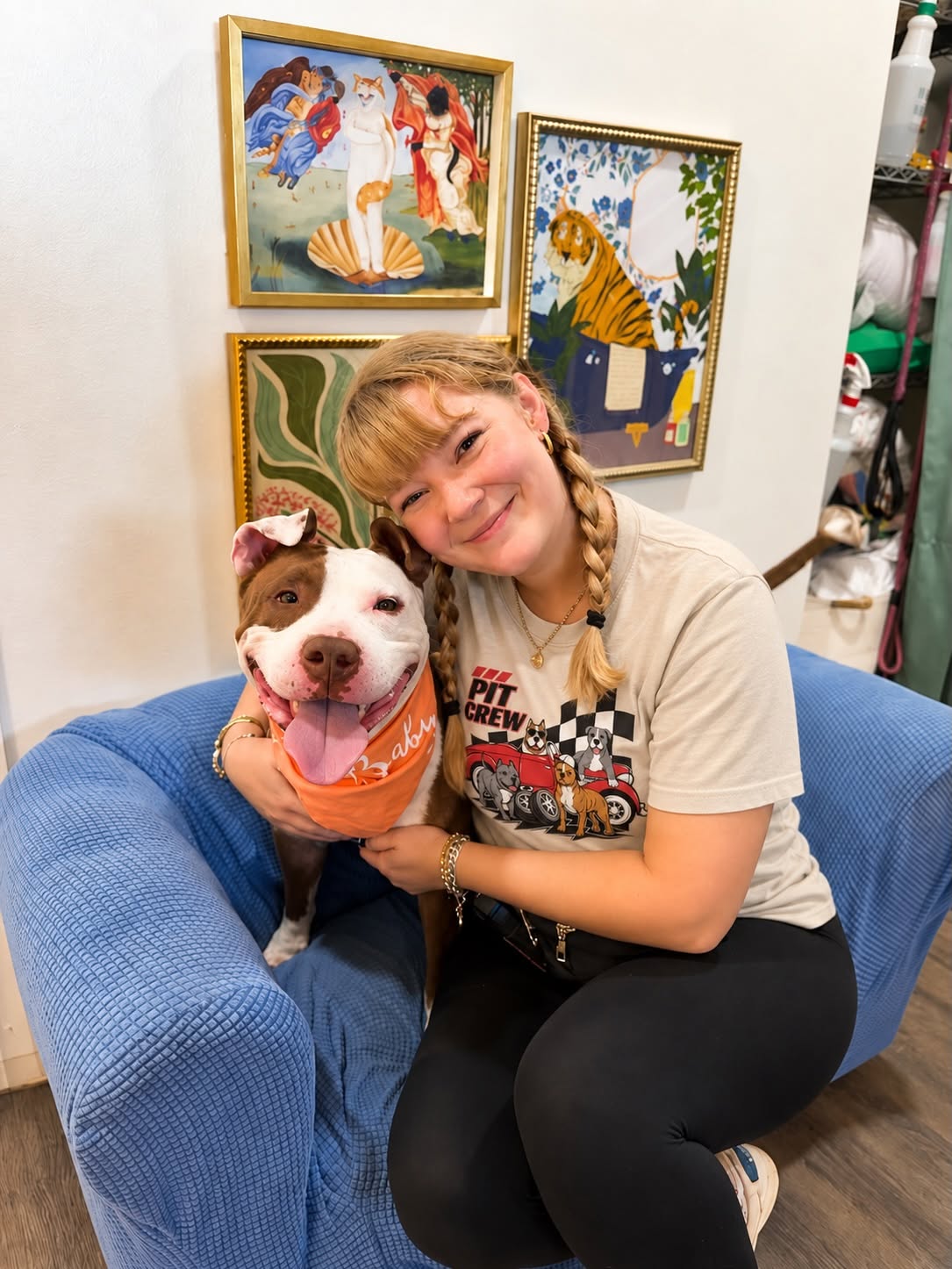
The truth is, your new rescue dog has a story that began long before they met you. They may have experienced changes in homes, people, routines, and surroundings before arriving at their forever home. While we know they are safe now, it can take them a little time to understand that, too.
The first days and weeks after adoption are all about patience, consistency, and helping your new companion feel comfortable. There is no perfect timeline for a rescue dog to adjust. Every dog is different, and giving them the space and support they need is one of the best ways to begin building a lifelong relationship.
Space Is Crucial
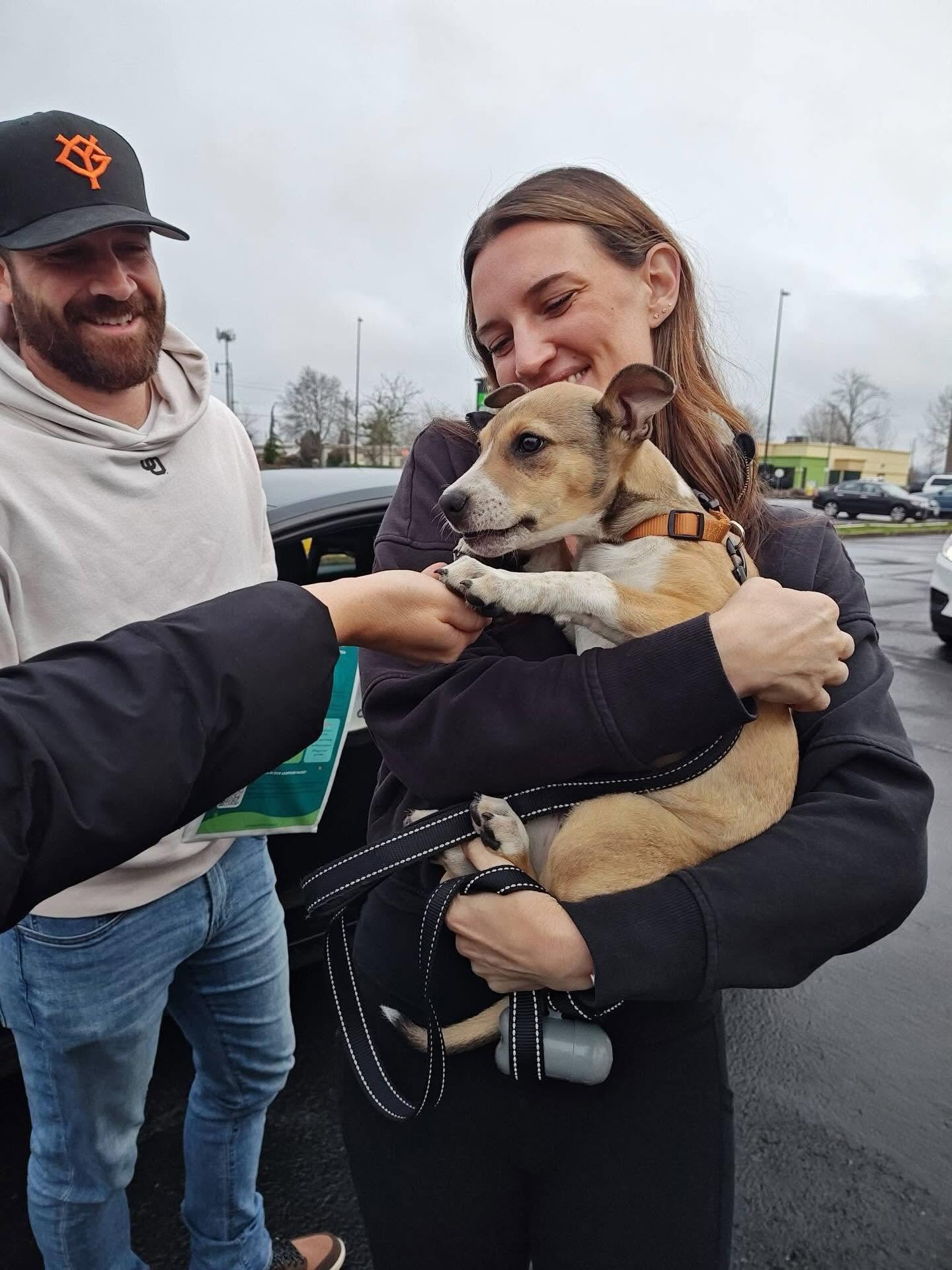
One of the most important things you can give a newly adopted dog is time and space.
It can be tempting to introduce your new pet to everyone immediately. Friends and family may be excited to meet them, and if you already have pets at home, you may be eager for everyone to become best friends. But too many new people, animals, sights, sounds, and experiences at once can be overwhelming.
Instead, keep the first few days calm and allow your dog to explore their new surroundings at their own pace. Crate training can be an especially helpful tool during this transition. A crate can give your new dog a quiet, comfortable space where they can retreat, rest, and decompress when everything around them feels new.
A crate should never be used as a punishment. Instead, think of it as your dog's own safe space - a place where they can take a break from the activity of the household and have some uninterrupted time to relax. For a dog who has experienced a lot of change, having a predictable place to rest can help reduce stress and make their new environment feel more manageable.
Give your dog the opportunity to spend quiet time in their crate, especially after exciting experiences or when they seem overwhelmed. You can make the space comfortable with bedding and an appropriate enrichment toy or chew, helping your dog learn that their crate is a positive and relaxing place to be.
You can also give your new dog a designated area outside of the crate where they can retreat when they need some quiet time. The goal is to give them choices and allow them to settle at their own pace.
Let your dog come to you rather than constantly approaching them. Some dogs will confidently walk through the front door and act like they have always lived there. Others may be nervous, shy, quiet, or unsure of what to do.
Both responses are completely normal.
Your new dog does not need to become comfortable with everything on day one. Sometimes the best way to build trust with a rescue dog is simply to be there, give them room, and let them discover that their new home is a safe place.
And when they finally come to you on their own? That little moment can mean everything.
Your House Has a Rhythm
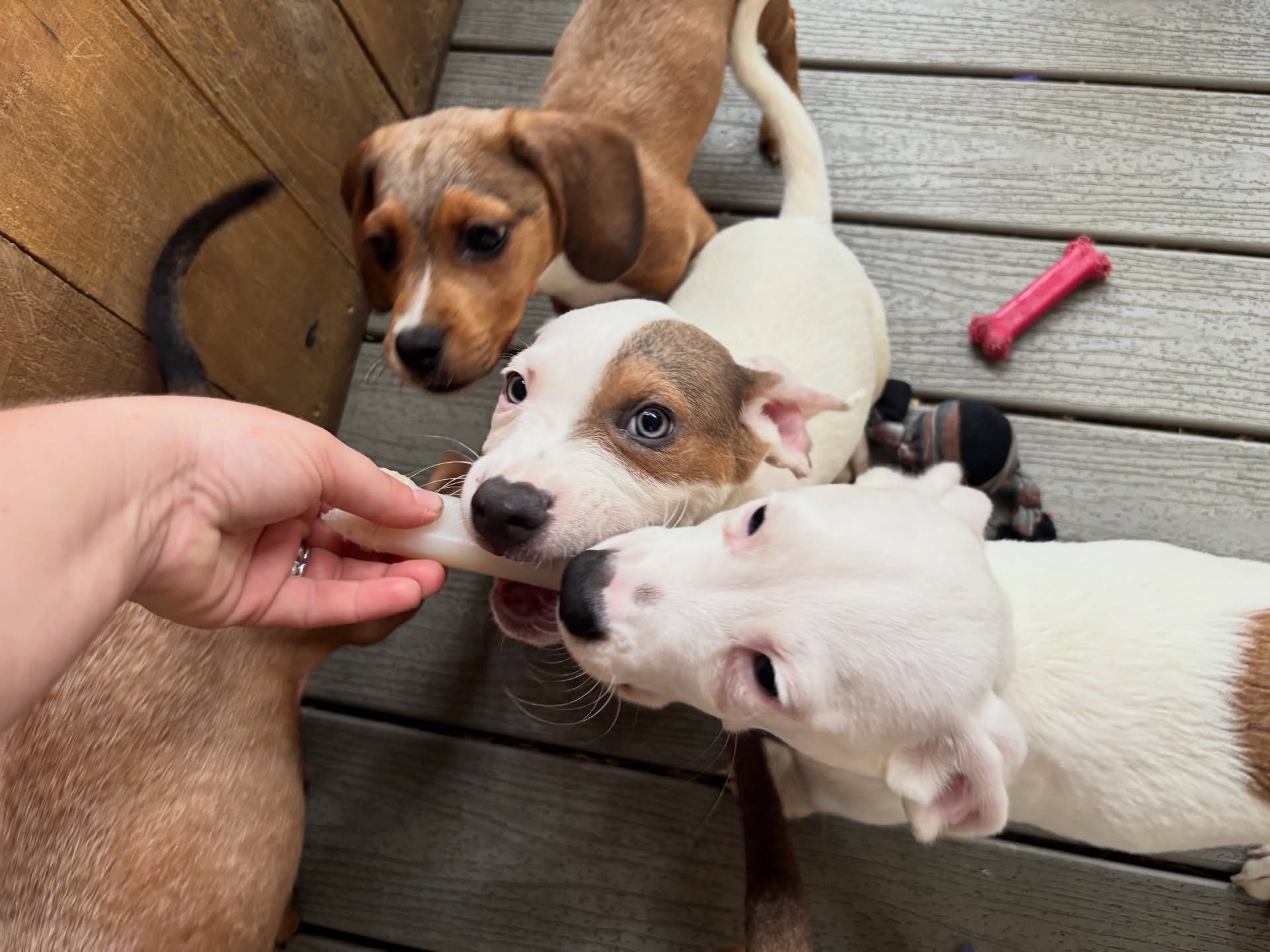
Every home has its own rhythm. There are times for waking up, eating, going outside, playing, relaxing, and going to bed. Your new dog doesn't know that rhythm yet.
Rather than expecting them to immediately understand the rules of the house, give them time to observe and adapt.
A consistent daily routine can help a rescue dog feel more secure because they begin to understand what to expect. Try to keep meals, potty breaks, walks, playtime, and bedtime relatively consistent when possible.
Your schedule doesn't have to be perfect. What matters most is consistency.
As your dog learns what happens next, the unfamiliar starts to become familiar. A predictable routine can help reduce stress and give your newly adopted dog the confidence to settle into their new home.
Building Relationships Takes Time
It is easy to imagine the moment your new dog arrives home and immediately becomes the perfect family companion. But relationships don't work that way and neither does rescue dog adjustment.
Don't expect your new pet to know all the rules, understand every cue, or immediately match the behaviors and routines you've established in your home.
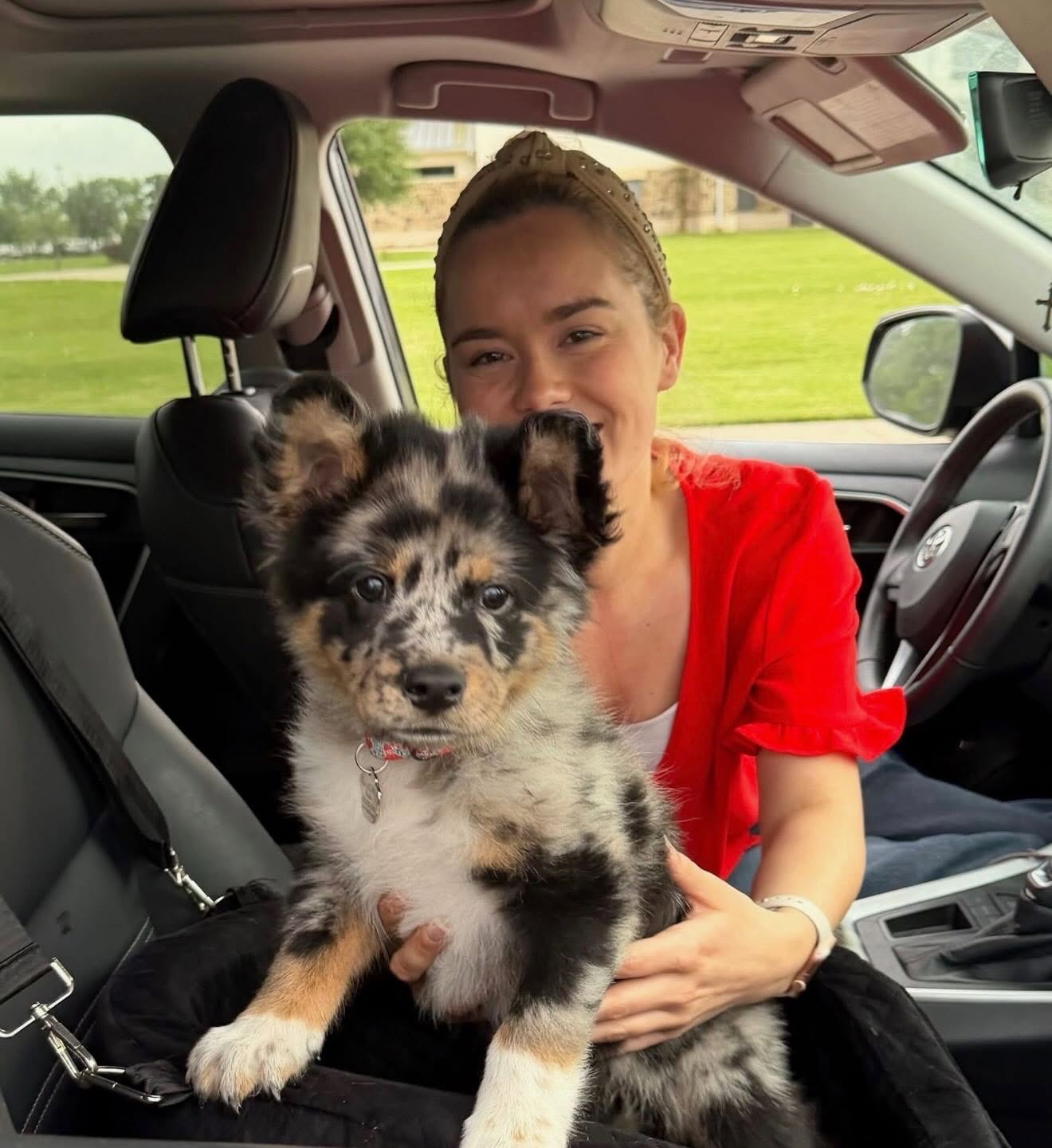
They are learning. They are learning your voice, your expectations, your schedule, your other pets, your neighborhood, and all the little things that make your home different from anything they have experienced before.
Be patient when they make mistakes. Instead of expecting too much too soon, focus on showing them what you want them to do.
Positive reinforcement is a wonderful way to help a rescue dog learn. When your dog makes a good choice, such as calmly waiting at the door, coming when called, settling on their bed, walking nicely on a leash, or choosing an appropriate toy, let them know!
Praise, affection, treats, play, and other rewards can help your dog understand which behaviors are encouraged. Over time, those small moments of positive reinforcement can help create confidence and strengthen the bond between you.
Give Your Dog Time to Decompress
The first few days after adoption can be a lot for a rescue dog.
Even happy experiences can be overwhelming when everything is new. A new home, new people, new smells, new sounds, new pets, and a new routine all require adjustment. This is why decompression is so important.
Keep things simple at first. You don't need to take your new dog everywhere or introduce them to the entire neighborhood right away. Start with short walks, quiet exploration, and plenty of opportunities for rest.
Watch your dog's body language and learn what helps them feel comfortable. If they seem overwhelmed, give them a break.
Remember that rest is part of the adjustment process, too. Your dog may sleep more than you expect as they recover from the stress and excitement of their transition.
Create Low-Stress Bonding Opportunities Between Animals
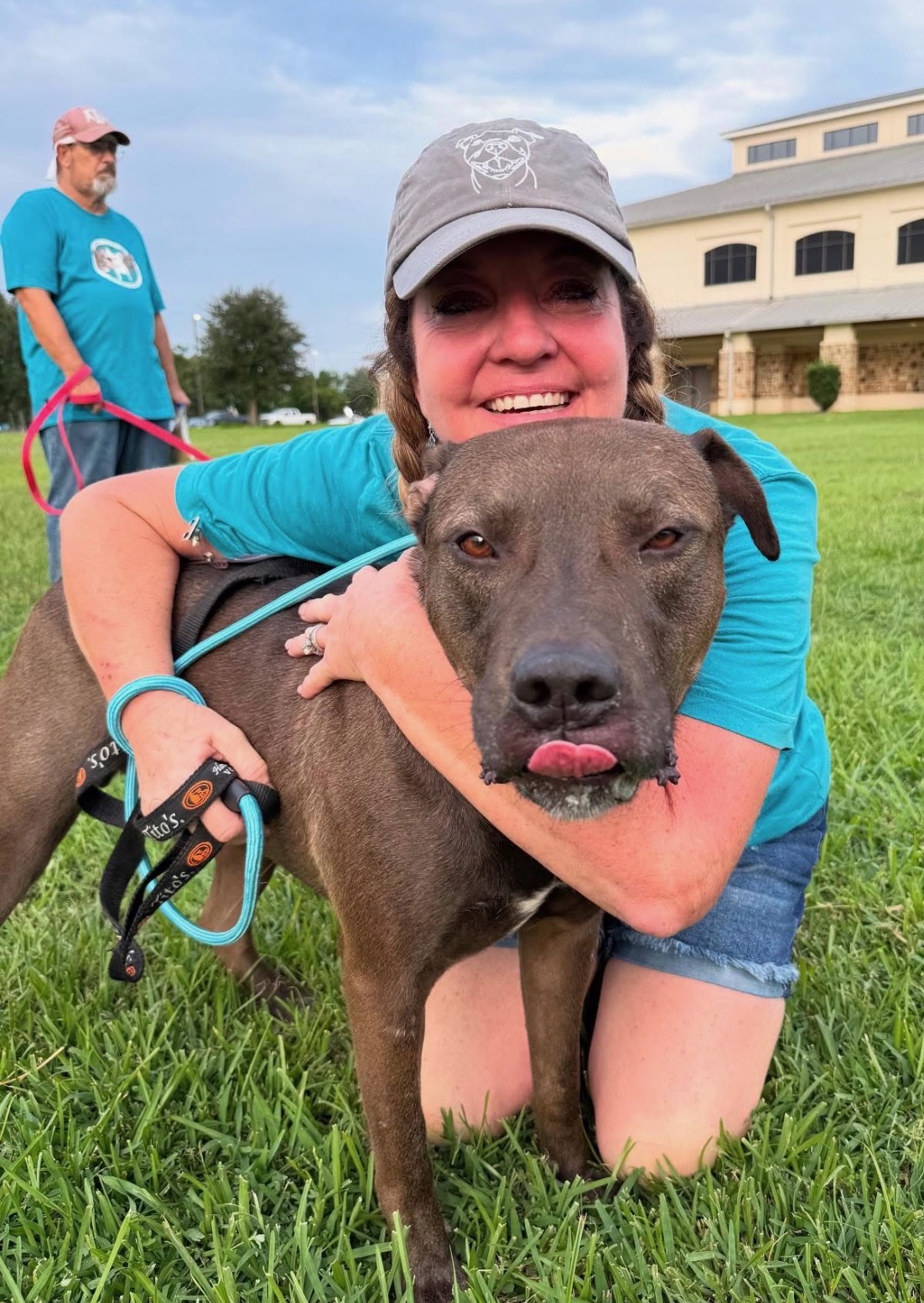
If you already have a pet at home, remember that your new arrival isn't the only one experiencing a big change. Your resident dog or cat is adjusting, too. Rather than expecting two animals to become instant best friends, give them opportunities to get comfortable with each other without pressure. For dogs, tandem walking can be a great way to spend time together. Walking side by side allows both dogs to experience the same environment while maintaining some space between them. They don't have to play, interact, or even walk right next to each other.
The goal is simply to create positive experiences while they learn that sharing space with one another is safe.
Continue to supervise interactions and give each pet their own food, water, resting areas, and personal space. Gradually increasing their time together can help create a more comfortable relationship.
Celebrate the Little Wins
When you're waiting for your rescue dog to feel completely at home, it's easy to overlook the small signs that they are already making progress. But those tiny wins matter.
Maybe your nervous dog finally takes a treat from your hand. Maybe they choose to lie down and relax instead of pacing. Maybe they wag their tail when they see you. Maybe they finally explore another room in the house, play with a toy, walk calmly on a leash, or come over to you for affection.
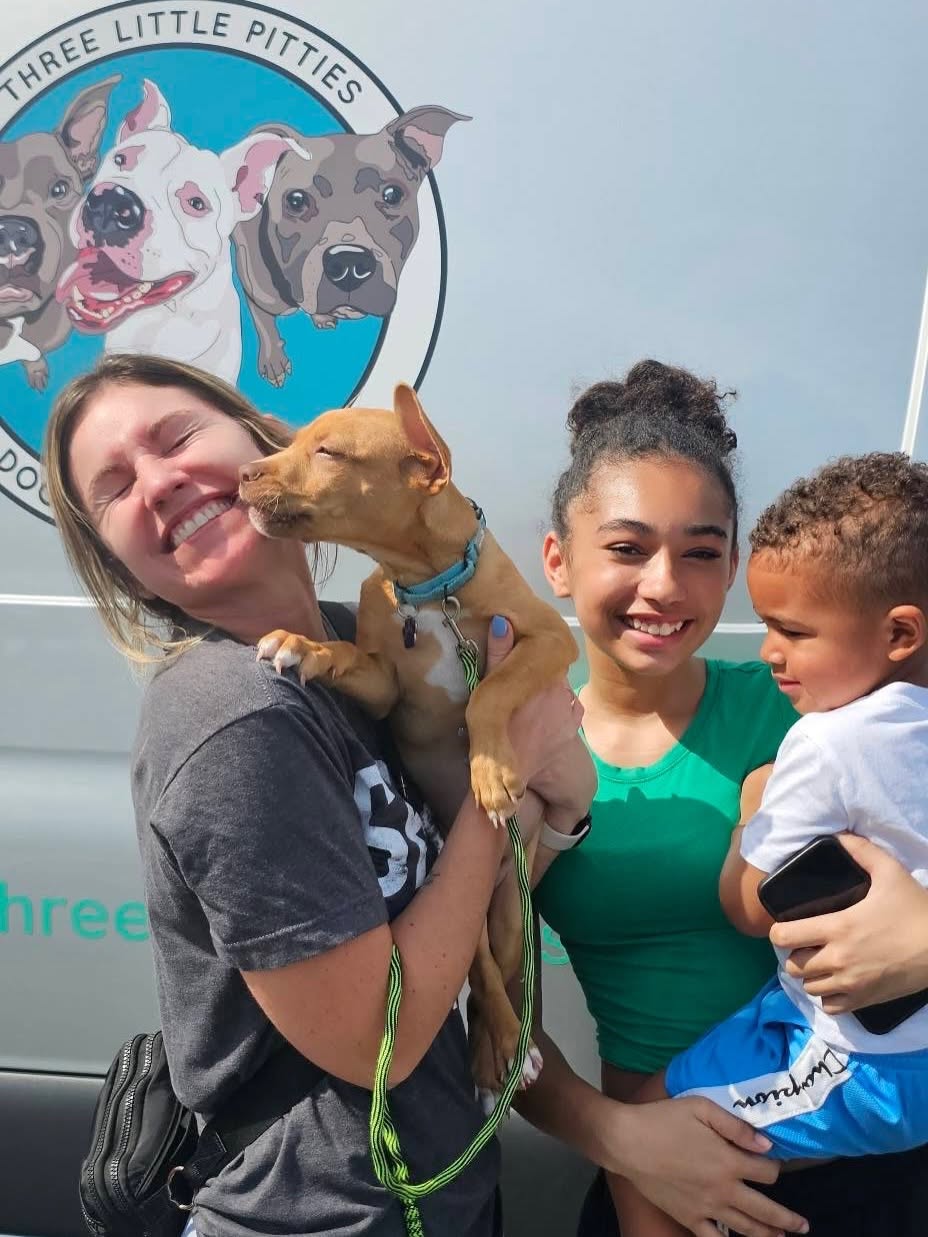
These moments are milestones. Your dog may not be able to tell you that they are beginning to trust you, but their behavior often can. Try not to compare your rescue dog's progress to another adopted pet. Some dogs adjust quickly, while others need more time. There is no stopwatch on building trust. The goal isn't perfection. The goal is progress.
Be Patient With the Process
Bringing home a rescue dog is an incredibly rewarding experience, but it is also a process.
There may be wonderful days when it feels like your new dog has always belonged with you. There may also be challenging days when you wonder if you're doing everything right. Give yourself, and your dog, grace.
Continue providing structure, patience, positive reinforcement, exercise, enrichment, rest, and plenty of love. As your dog learns that they can rely on you, the unfamiliar becomes familiar and your house becomes home. And eventually, you may look back at those first uncertain days and realize just how far you've both come.
While your dog has had a past before you, you are now the most important part of their story.
Thank you for saying “yes” to them. Thank you for opening your home, giving them a second chance, and helping save a life.
And thank you for continuing to support Three Little Pitties Rescue and the lifesaving work our teams do every day. Whether you donate, foster, adopt, volunteer, or share our mission with others, you help make happy endings like these possible.
Because every rescue dog deserves the chance to feel safe, find their routine, and finally know what it means to be home.